APQC released the study “HOW PROCESS PROGRAMS STACK UP” about the current state of process management in responding organizations.
The report is based on the APQC maturity model and methodology.
Our consultants have analyzed the report and highlighted 9 key conclusions:

Fig. 1. Program`s Primary Purpose
First place: Projects implemented within the framework of supporting strategic initiatives.
Second place: Projects implemented within the continuous improvement cycle of business processes.
Third place: Traditional projects for describing and documenting business processes.
Fourth place: Standardization and unification of business processes.
Fifth place: Targeted projects to increase the profitability of the organization.
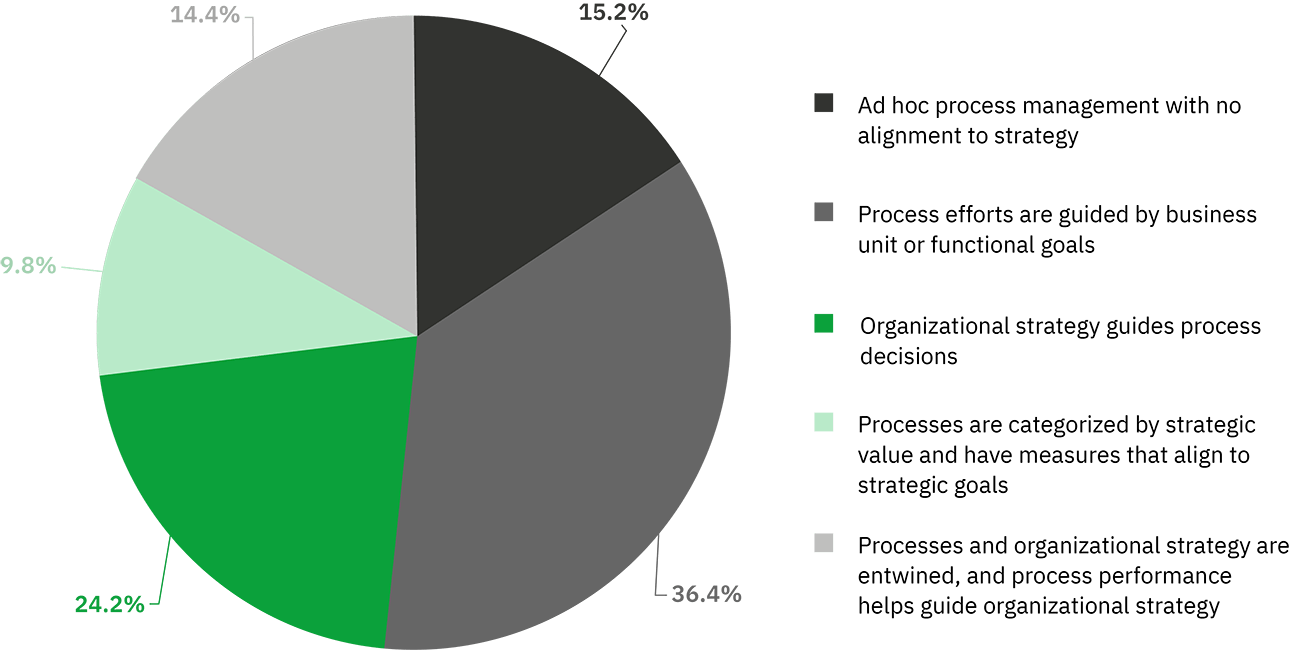
Fig. 2. Relationship Between Strategy & BPM

Fig.3. Process Governance Roles

fig.4. Top Methods for Embedding Process Management

Fig. 5. Measuring Process Performance

Fig. 6. Process Control Points
7. As a result, compliance monitoring is either not conducted at all or only occurs as a reaction to an already arisen issue in nearly half of the organizations:
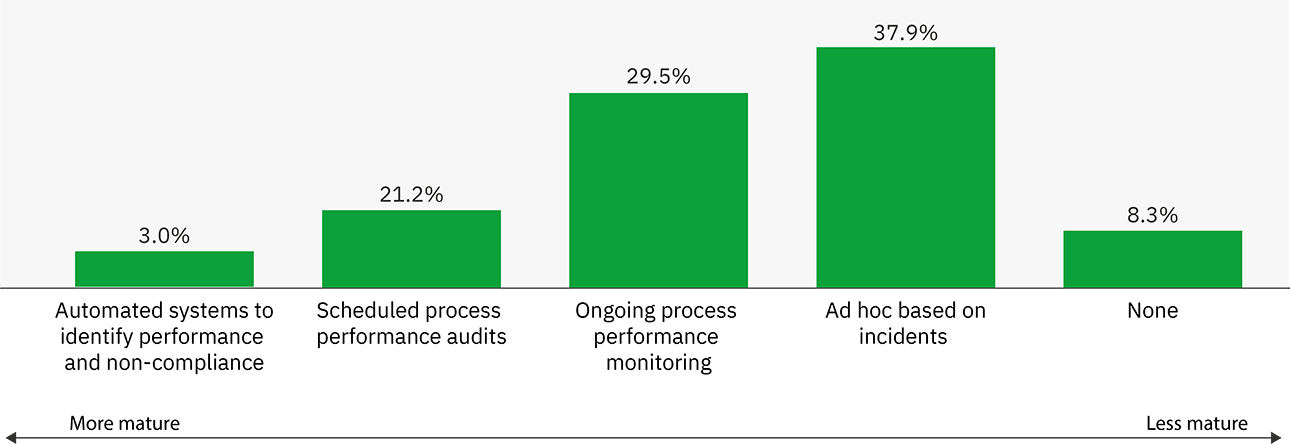
Fig. 7. Process Compliance
8. Most organizations implement business process improvement initiatives in a non-systematic way. As a result, they tend to be fragmented:

fig. 8. Process Improvement Culture
9. Despite the fact that workflow automation remains the top tool, specialized IT solutions for business process management (BPM platforms) are used by 34% of respondents.

Fig. 9. Top Tools & Technologies
Choose a topic that interests you and read the most popular and useful articles from the Bureau: