At the request of one of our corporate client, we developed and conducted a 3-day extended training “Modelling business processes in BPMN 2.0”.
The peculiarity of the training was that most of the participants took part in the standard 2-day training “Modelling business processes in BPMN 2.0” six months ago. At the basic training, most of the time was devoted to studying the elements of BPMN notation and to practising using them. At the extended training, they practiced solving non-standard cases and working out modelling patterns.
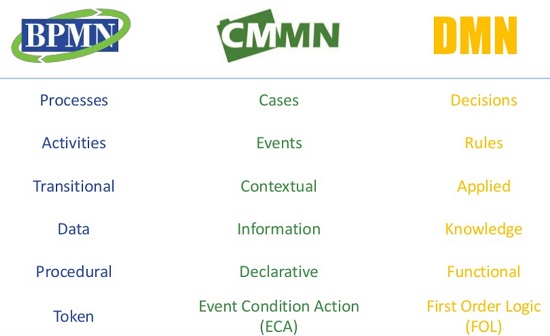
Separate attention was attributed to the new OMG standards: Case Management Model and Notation (CMMN) and Decision Model and Notation (DMN). They complement and expand the BPMN standard, which encourages vendors of BPMS systems to adapt their solutions to all three standards.
According to the idea of the OMG, three standards form a triumvirate, which covers the needs of business in building business process models, cases and business rules.
The BPMN standard allows you to build a graphical representation of business process models. The notation data model provides for the subsequent execution of business processes using systems of BPMS class.
The CMMN standard allows you to build a graphical representation of the development of events in case modelling. The notation data model provides the subsequent automation of case management with the help of specialised applications.
The DMN standard allows you to build a graphical representation of decision-making rules in an organisation based on input data and business knowledge models. The notation data model provides the subsequent automation of decision making with the help of the business rules engine.
The ability to apply all three standards in practice will be of great help for organisation employees that are interested in digitally transforming their activities.
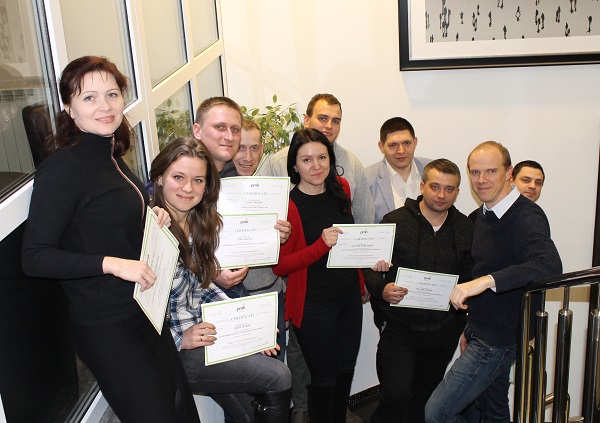
From the feedback of training participants:
Choose a topic that interests you and read the most popular and useful articles from the Bureau: