In the pharmaceutical industry, it is not so easy to impress with well-established business processes: this area has traditionally been a priority for managers and executives.
Our client is a national pharmaceutical manufacturer (NDA), which ranks in the top 10 companies in Ukraine by product volume. Prior to the start of the project, they had already described and regulated all key processes, and necessary document templates had been formalized.
However, the company decided to go further and implement a BPMS (Business Process Management System) to optimize and automate business processes, enabling real-time monitoring of every step.
Implementing a BPMS system is a complex project that requires both technical and methodological expertise. Acquiring such a tool without establishing a methodology for its use is a risky investment that may not yield results. The company reached out to “Project Management Bureau” for expertise.
“Even advanced companies in the pharmaceutical industry need help when it comes to implementing a BPMS system. There are many details in this process: selecting specific tools, deciding on a vendor. Feedback from experts helps achieve the goal much faster and without mistakes. Additionally, a specialist helps ‘expand the boundaries’ and draws attention to useful BPMS features that were previously not considered.”
Oleksii Gromyko, Managing Partner
“Project Management Bureau”.
Optimized and prepared business process models for automation.
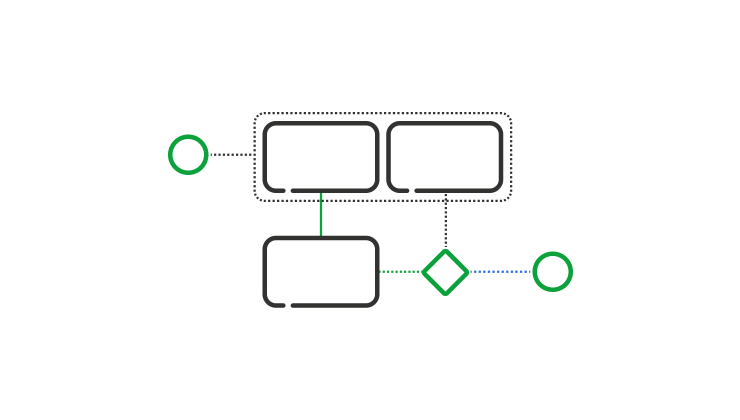
Automating the process with a BPMS system is like building a digital conveyor belt. Each operation needs to be carefully thought out and aligned with the next. We redesigned the process to increase speed and throughput while maintaining convenience for the executors.
Created a scoring file for selecting a vendor.
BPMS system developers in their marketing materials usually promise the same thing:
Minimum programming (low code / no code),
Process model with a ready-made application (what you see is what you run),
Easy integration with other corporate IT systems,
Availability of training and technical materials.
However, the systems themselves often differ significantly from each other. Therefore, selecting a system must consider the company’s specifics: its business processes, IT architecture requirements, and the need for integration with both internal and external IT systems.
We created a list of requirements for the future BPMS. Based on these, we compiled a shortlist of candidates and prepared a scoring file to select the winner.
Analyzed management methodology and BPMS implementation plan.
BPMS is just a tool in the business process management system. Therefore, special attention should be paid to how this tool will be integrated into the company’s daily operations: who should do what, when, and who is responsible for which actions and results.
The company is ready for BPMS implementation from both a technical and methodological standpoint.
The company’s business processes are now ready to be integrated into BPMS.
We compiled a shortlist of BPMS system developers and prepared a scoring model that makes it easy to determine the winner among vendors.
We updated the business process management methodology for the implementation of the BPMS system.